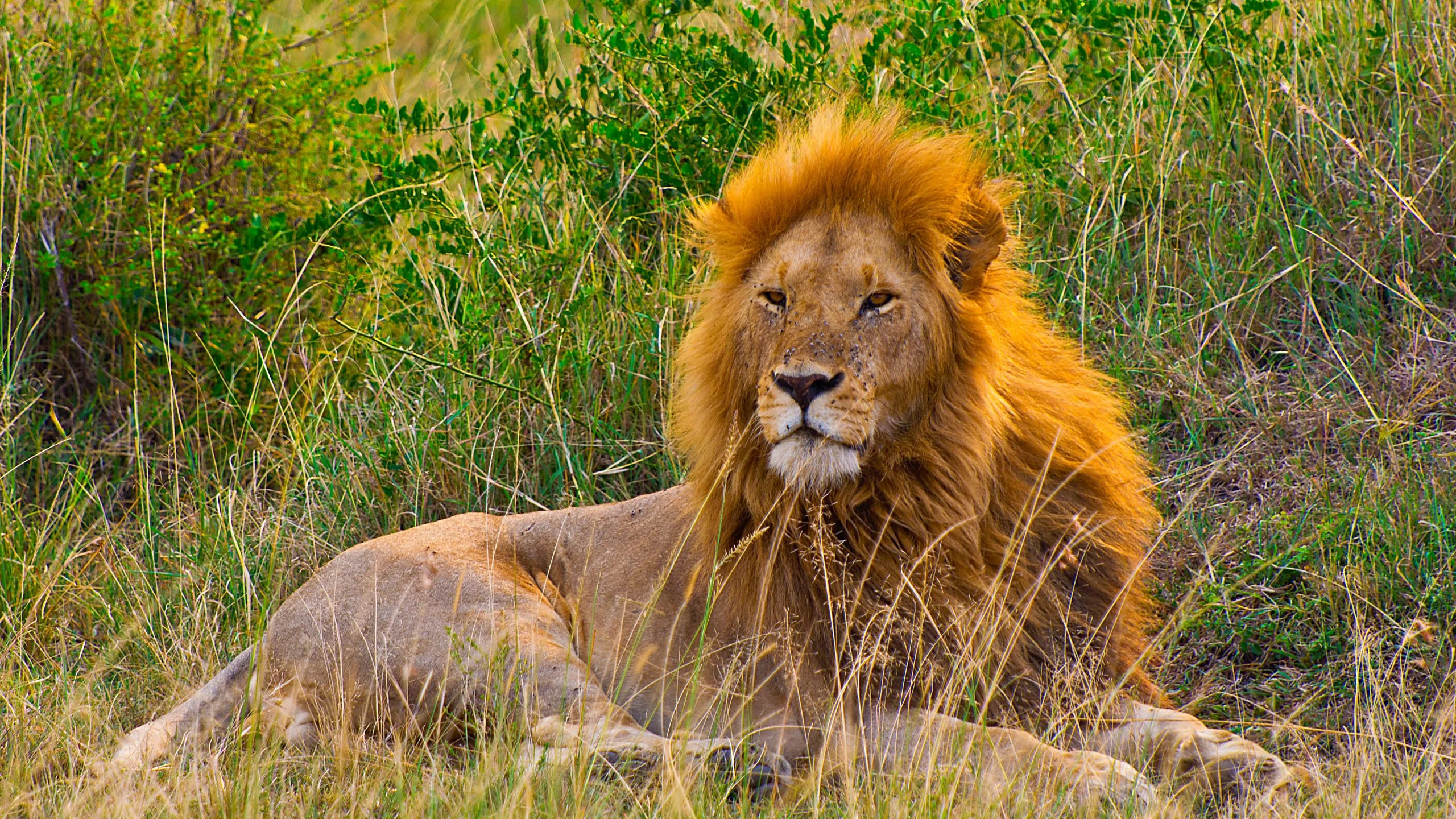
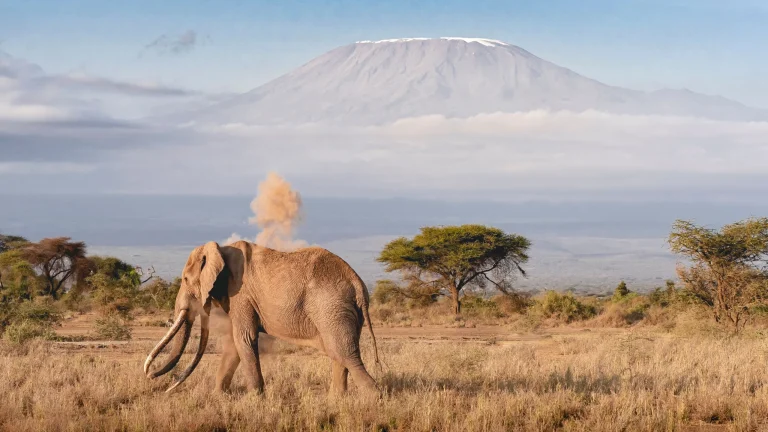
Most guests who ask me for photography advice are shooting on auto and wondering why their lion photos come out blurry or their elephant shots are all grey and flat. You don’t need a professional camera body to fix this. You need three or four settings adjusted correctly, and an understanding of what a moving vehicle does to your shot. Here’s what I actually tell people before their first game drive.
Shutter speed is the setting that matters most
A Land Cruiser is never perfectly still, even parked, because the engine idles and eight people shift their weight. For most wildlife shots on a drive through the Masai Mara, set your shutter speed to at least 1/1000s for stationary animals and 1/2000s or faster for anything moving: a running impala, a bird taking off, a cheetah mid-chase. If your camera has a Shutter Priority mode (marked S or Tv), use it and let the camera handle aperture and ISO.
Aperture and depth of field
Wide apertures (f/4 to f/5.6 on most zoom lenses) blur the background and separate your subject from the grass and bush around it. This matters enormously in thick vegetation, which is common around Samburu‘s riverine bush, where a sharp subject against a soft background reads far better than a busy, in-focus mess.
ISO: don’t be afraid of it
Early morning game drives, which is when most predator activity happens, start in low light. Don’t be afraid to push ISO to 800, 1600 or higher; a slightly grainy sharp photo beats a clean blurry one every time. Modern cameras, even mid-range ones, handle ISO 1600 far better than people expect.
Use a beanbag, not a tripod
A tripod is useless in a vehicle. A simple beanbag resting on the window frame or roof hatch gives you a stable base you can pivot quickly, which matters when a sighting (say a leopard dragging a kill up a tree near the Talek River) only lasts a few seconds before it disappears into cover.
Insider tip: Turn off your camera’s beep and flash entirely before your first game drive. Flash startles wildlife and does nothing useful at typical safari distances, and a beeping camera has cost more than one guest a good shot at a nervous animal.
Composition basics
- Shoot at eye level with the animal where possible; ask your driver-guide to angle the vehicle rather than shooting down from a high seat
- Leave space in the frame for the direction an animal is looking or moving
- Include the environment sometimes: a lone acacia and a herd of wildebeest tells a bigger story than a tight crop, especially useful on a migration safari where the scale of the herds is the story
- Get low for smaller subjects like a mongoose or a ground hornbill by shooting through the window rather than over the roof hatch
Golden hour is not a suggestion
The light between 6.30am-8am and 5.30pm-6.45pm produces warm, directional light that flat midday sun cannot match. Ask your guide to prioritise sightings during these windows if photography is your main goal. We cover this in more detail in our golden hour guide to the Mara.
Gear that actually helps
A 100-400mm or similar zoom lens covers most situations. You don’t need 600mm unless you’re specifically after distant bird photography. For a full breakdown of what’s worth carrying, see our piece on the safari gear that actually matters.
Quick answers
Can I get good photos with just a phone? Yes for landscapes and camp scenes, but wildlife at typical safari distance needs at least a basic zoom camera to get a usable shot.
Should I shoot in RAW or JPEG? RAW if you plan to edit; it recovers far more detail in shadows and highlights, which matters a lot for high-contrast African light.
Is burst mode useful on safari? Very: action like a river crossing or a hunt happens fast, and burst mode dramatically improves your odds of a sharp frame.
What’s the biggest beginner mistake? Shooting on full auto in low light, which forces a slow shutter speed and blurs the shot. Switch to Shutter Priority the moment light gets dim.