Samburu gets far fewer visitors than the Mara, which means the cultural encounters here tend to be quieter and less rehearsed. The Samburu people, close cousins of the Maasai and sharing a related Maa language, have their own distinct traditions worth understanding beyond the beadwork you’ll see for sale at camp.
Who the Samburu are
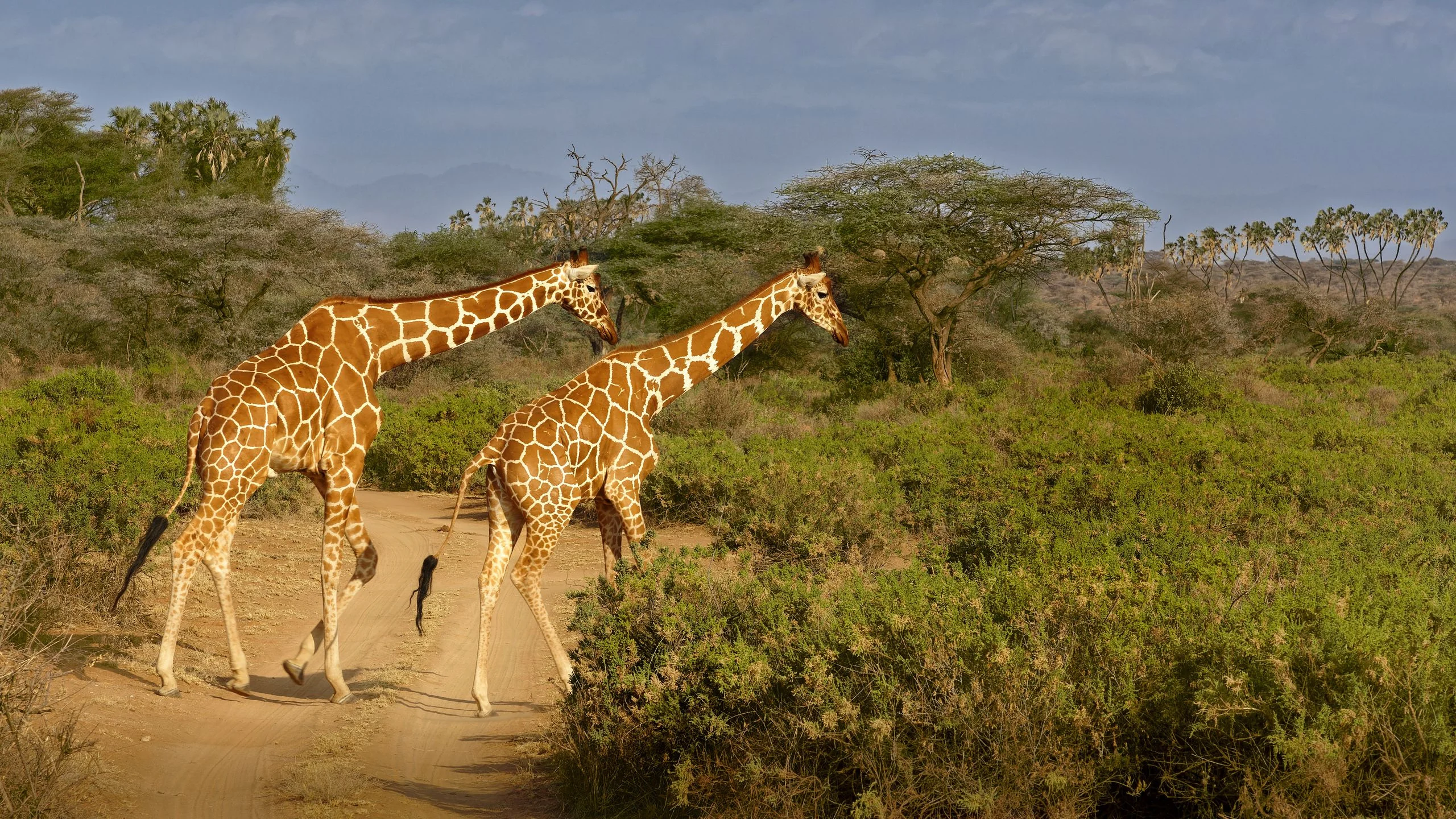
The Samburu are semi-nomadic pastoralists living across the arid and semi-arid lands of northern Kenya, centred around the Ewaso Nyiro River that also sustains the wildlife the reserve is famous for: the reticulated giraffe, Grevy’s zebra and gerenuk you won’t see further south. Cattle, goats and camels are the backbone of Samburu life, and wealth and status are still measured largely in livestock, not currency.
The singing wells
One of the most remarkable traditions here is the singing wells, or “laga”: deep hand-dug wells where moran (warriors) form human chains down into the well shaft, passing water hand-to-hand up to the surface for the cattle above. They sing rhythmic call-and-response chants as they work, a tradition that coordinates the labour and has been passed down for generations. These are usually found along dry riverbeds during the dry season, when surface water disappears and wells become the only source. Not every itinerary passes a working well, but if timing allows, it’s one of the more genuine cultural moments available anywhere in Kenya.
Beadwork and what it signals
Samburu beadwork is worn by both men and women and carries real meaning, with colour combinations and the size of neck collars indicating age, marital status and social standing. Unmarried women wear different bead patterns from married women; moran wear specific ornaments tied to their age-set. A quick conversation with your guide or a community member about what a particular pattern means turns decorative jewellery into a much richer story.
Insider tip: Ask specifically about the difference between moran beadwork and married men’s ornaments; it’s a small detail most visitors never ask about, and it opens up a much longer conversation about the age-set system that structures Samburu society.
The age-set system
Like the Maasai, Samburu society is organised around age-sets. These are groups of young men circumcised together who then move through defined life stages together, from junior moran to senior elder, over roughly 15-year cycles. This system governs everything from marriage timing to community leadership, and it’s still active today, not a historical relic.
Visiting a Samburu manyatta
A manyatta (homestead) visit follows a similar structure to a Maasai boma visit, opening with a welcome song, then a walk through the low dome-shaped houses built by women, and a market of beadwork and carvings at the end. Entry fees, typically $15-25 per person, go to the community. Camps like Samburu Intrepids and Elephant Bedroom Camp can arrange these visits directly, often with less crowding than similar stops further south.
How it fits your itinerary
Samburu pairs naturally with a wider northern circuit: our 3-day Samburu wilderness safari or the longer 7-day luxury flying safari combining Amboseli, Samburu and the Mara both build in time for a manyatta visit alongside game drives, giving you the cultural side without cutting into wildlife time.
Quick answers
Are the Samburu the same as the Maasai? Related but distinct; they share a common Maa language ancestry and pastoralist lifestyle, but have their own dialect, dress, and specific traditions like the singing wells.
Is it appropriate to photograph the singing wells? Ask first, and expect that some communities prefer not to be photographed during the work itself. A respectful question goes a long way.
What should I bring to a manyatta visit? Cash for the market (small denominations of KES or USD), and a genuine willingness to ask questions rather than just observe.
Is Samburu safe to visit? Yes, it’s a well-established part of Kenya’s northern safari circuit with a strong tourism presence and good infrastructure at the main camps.